Endoscopic Facelift: A Minimally Invasive Approach to Natural Facial Rejuvenation
An endoscopic facelift offers a way to refresh a tired-looking face without the tell-tale signs that surgery has taken place. For many people, the fear of looking overdone is the single biggest thing that holds them back from facial rejuvenation.
Nobody wants to look pulled, tight, or like a different person. They simply want to look like themselves on a good day, well rested and refreshed. This is exactly where a lighter, camera-guided approach comes into its own.
Rather than lifting large areas of skin, an endoscopic facelift works through tiny openings using a small camera to guide the surgeon. The focus is on gently repositioning the structures beneath the surface, not on stretching the skin. The outcome, when done well, is a softer and more natural improvement that keeps your character intact.
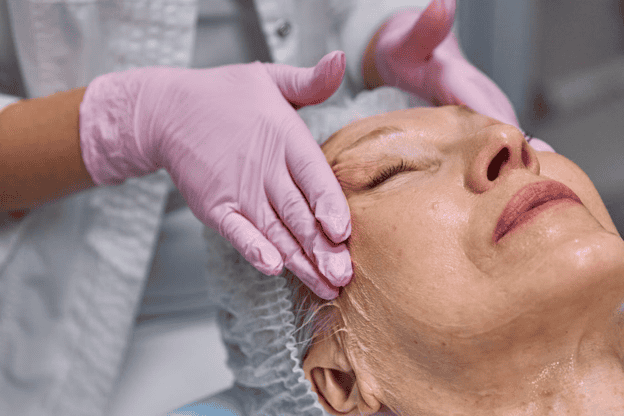
Endoscopic Facelift
The Case for a Lighter Touch
The idea that dramatic surgery produces dramatic beauty has long faded. Today, the goal of good facial surgery is subtlety. The most admired results are the ones nobody can quite put their finger on. Friends notice you look brighter or less tired, but they cannot tell why.
A heavier, skin-tightening approach can sometimes create that stretched appearance people worry about, especially around the hairline and temples.
By contrast, a minimally invasive method addresses the deeper support structures and lets the skin settle naturally over them. Because the improvement does not depend on pulling the skin tight, the result tends to look relaxed rather than forced.
For anyone weighing up their options, it can help to know when to consider a facelift in the first place, as timing has a real influence on how natural the final result feels.
How the Technique Keeps Results Looking Natural
The naturalness of an endoscopic facelift starts with the method itself. The surgeon makes a handful of small incisions hidden within the hairline, each usually under a centimetre.
A thin tube fitted with a tiny camera, known as an endoscope, is passed through one of these openings. The camera sends a magnified image to a screen, giving a clear, detailed view of the muscles and tissues below the skin.
Working from this view, the surgeon can release and reposition the deeper structures with precision, using fine instruments through the other small openings. There is no need to lift and separate large sheets of skin. This matters for two reasons.
First, it means far less disturbance to the blood vessels and nerves, which keeps the tissues healthier. Second, it means the improvement comes from restoring the foundation of the face rather than from tension on the surface.
The endoscopic method has become a popular route to forehead rejuvenation for this reason. This is the heart of why an endoscopic facelift looks so natural. When the underlying support is gently lifted back into a more youthful position, the skin simply drapes over it as it did years earlier. Nothing is over-stretched, so nothing looks strained.
Softening the Upper Face Without Looking Done
An endoscopic facelift is at its best in the upper part of the face, where signs of ageing often appear first and where a natural result is especially important.
Heavy, descending brows are a common concern. As the tissues that hold the brows in place weaken, the eyebrows slide downward and can make you look tired, cross, or older than you feel.
Lifting them back to a natural height opens up the eyes and restores a rested expression without changing the shape of your face. Research comparing methods found the endoscopic brow lift achieves this with reduced scarring and faster recovery than open techniques.
Horizontal forehead lines and the vertical creases between the brows also respond well. By easing the pull of the muscles responsible for these lines, the technique softens them while keeping natural movement and warmth in your expression. The aim is never a frozen forehead, but a calmer, smoother one that still looks like you.
A Recovery That Does Not Give You Away
Part of looking natural is being able to return to normal life without a long, obvious healing period. Because the incisions are small and hidden and the tissues are handled gently, recovery tends to be kinder than with more extensive surgery.
Some swelling and mild bruising around the forehead and eyes are normal in the first few days, and keeping your head raised helps this settle. Most people feel ready to return to work within one to two weeks, by which point the early swelling has usually calmed down. The small stitches or fixings are generally removed within seven to ten days.
The scars themselves are one of the biggest advantages. Tucked inside the hairline, they are difficult to spot once healed, so there is no visible line across the face to hint at what you have had done. This discretion is a large part of the appeal for people who value privacy.
Ageing Naturally After Surgery
A natural result is not only about the day you heal. It is also about how gracefully your face continues to age afterwards. This technique does not stop the clock, but it does give you a more youthful starting point from which to carry on.
Researchers continue to study the long-term stability of endoscopic lifting. Protecting that investment is straightforward. Daily sun protection is the single most useful habit, as ultraviolet light is the biggest driver of skin ageing. A sensible skincare routine, staying a stable weight, not smoking, and getting enough sleep all help your skin hold its quality for longer.
Many people also choose to top up their result over time with simple, non-surgical treatments rather than further surgery. Injectable options can keep the forehead smooth, and small amounts of filler can restore volume where the face naturally deflates. Understanding whether a liquid facelift suits you can help you plan this kind of gentle, ongoing maintenance.
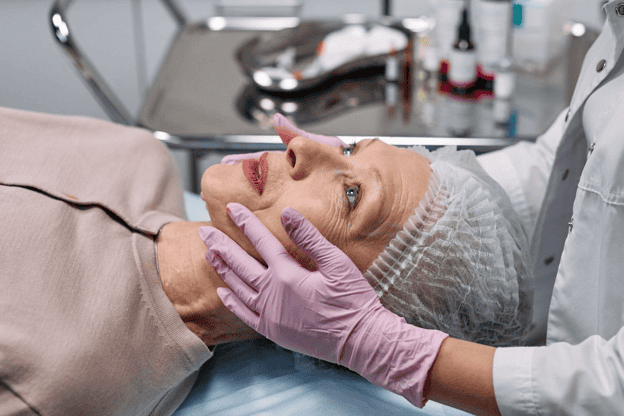
Endoscopic Facelift
https://www.pexels.com/photo/a-woman-in-a-hospital-7581588/
Building Natural Harmony With Combined Treatments
Because an endoscopic facelift focuses on the upper and mid face, the most natural, balanced outcomes sometimes come from thoughtfully pairing it with other treatments. A face that looks harmonious as a whole always reads as more natural than one area that has been improved in isolation.
For people with significant sagging lower down, in the jowls or neck, a camera-guided lift of the upper face may be combined with other techniques so that every region is in balance.
Where there has been a loss of facial volume, gentle fat transfer can restore softness and roundness that reads as youthful rather than surgical. Looking through facelift before and after photos can help you picture how balanced, whole-face results actually look in practice.
The right combination is always a personal matter, and an honest surgeon will only recommend what genuinely serves your appearance.
Who Achieves the Most Natural Results
This technique is not the right answer for everyone, and being realistic about that is part of getting a natural outcome. The people who do best tend to share a few features.
Those whose main concerns sit in the upper face, such as brow heaviness and forehead lines, are ideal. Good skin elasticity also helps, because the approach repositions structures rather than removing large amounts of loose skin. People with mild to moderate ageing changes usually see the most convincing improvement.
If there is heavy sagging in the lower face or neck, a different or additional approach may be needed to achieve balance. For milder concerns, a gentler option such as a mini facelift might even be more appropriate.
A thorough consultation is the only way to know for certain, and at his Harley Street clinic, Mr Ivo Gwanmesia assesses each face individually before recommending a plan.
For the right candidate who wants to look refreshed rather than altered, an endoscopic facelift offers a discreet and effective path to natural facial rejuvenation.
Frequently Asked Questions (FAQs)
1. Will the Results Look Natural or Obvious?
An endoscopic facelift is designed for subtlety. Because it repositions the deeper structures rather than tightening the skin, the result tends to look relaxed and natural rather than pulled. Most people find that others notice they look refreshed without being able to tell why.
2. How Small Are the Incisions?
The surgeon makes several small cuts hidden within the hairline, each usually less than a centimetre long. A tiny camera and fine instruments are passed through these openings, which is why scarring is minimal and difficult to see once healed.
3. How Soon Can I Return to Normal Life?
Most people go back to work within one to two weeks. Some swelling and mild bruising around the forehead and eyes settle during this time. Strenuous exercise is usually avoided for a few weeks while healing continues.
4. Which Parts of the Face Does It Improve?
It works best on the upper face, lifting heavy brows and softening forehead lines and the creases between the eyebrows. For the lower face and neck, other techniques are usually needed, and these can be combined for a balanced result.
5. How Long Will the Improvement Last?
Results last for years, though the face keeps ageing naturally over time. Sun protection, good skincare, a stable weight, and not smoking all help preserve the outcome, and simple non-surgical treatments can extend your satisfaction between any future procedures.


