How to Minimise and Care for Breast Reduction Surgery Scars
Breast Reduction
Breast reduction surgery scars are one of the most common worries for anyone considering the procedure, and it is completely understandable to want to know what to expect.
Reducing the size of the breasts can bring huge relief from back pain, shoulder grooving, and daily discomfort, but the surgery does involve incisions, and those incisions leave marks as they heal. The good news is that with the right care, these marks usually fade a great deal over time and become far less noticeable.
Understanding how scars form, how they change through the healing process, and what you can do to support them makes the whole journey far less daunting. This guide explains the timeline and the practical steps that help you get the best possible result.
Why Scars Form and Where They Appear
Scarring is simply part of how the body heals. When the skin is cut during surgery, the body repairs the wound by laying down collagen fibres, and this repaired tissue is what we see as a scar. Every surgical incision leaves one, so the aim is not to avoid scars entirely but to help them heal as neatly as possible.
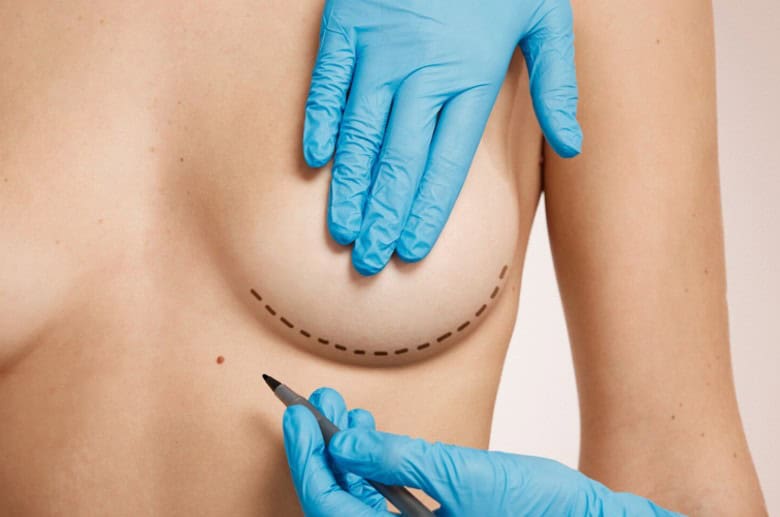
The position of the marks depends on the technique used. The most common approach uses an anchor-shaped pattern, with an incision around the areola, a vertical line down to the crease beneath the breast, and a line along that crease.
A less extensive lollipop pattern uses the incision around the areola and the vertical line only. Where mainly excess fat is removed, liposuction leaves only tiny marks.
Your surgeon places these incisions as discreetly as possible so that, once healed, they are hidden by the natural contours of the breast and by clothing or underwear.
The Healing Timeline
Scars change a great deal over the first year, and knowing the stages helps you stay patient. In the early weeks, the lines are usually raised, firm, and pink or red. This is normal and simply reflects the active healing happening beneath the surface.
Over the following months, the colour gradually fades and the scars begin to flatten and soften. This steady change is the normal course for breast reduction surgery scars, so the marks you see early on are not the marks you will be left with.
Most of the visible improvement happens within the first six to twelve months, though scars can continue to mature and pale for up to two years. The final result is usually a flat, thin line that is much paler than the surrounding skin.
It helps to remember that a scar looking red or raised early on is not a sign that something is wrong. Patience is a big part of good scar care, and the appearance you see at six weeks is very different from the appearance at twelve months.
Early Care in the First Weeks
The foundation of a good scar is laid in the early weeks, so careful wound care matters. Keep the area clean and dry, follow your surgeon’s dressing instructions exactly, and watch for any signs of infection such as increasing redness, warmth, or discharge.
Wearing the supportive garment you are given is important, as it reduces tension on the healing tissue and supports the breasts while they settle. Tension across a wound is one of the biggest causes of wider, thicker scars, so avoiding heavy lifting and vigorous movement during this period protects your result.
Let the wound close fully before starting any scar-specific products. Rushing can irritate the skin. A sensible healing timeline, similar to the one described in general week-by-week healing guidance for surgical recovery, helps you know when to move on to the next stage.
Ongoing Scar Care
Once the wound has fully healed and any sutures are out, you can begin the measures that make the biggest long-term difference. Silicone is the most widely recommended option. Applied as a gel or a soft sheet, it hydrates the scar and helps it flatten and pale. Research on silicone for hypertrophic scars supports its use as a first-line measure for supporting healing scars.
Gentle scar massage, once your surgeon confirms it is safe, can help soften the tissue and improve flexibility. Using a plain moisturiser keeps the area supple. Well-hydrated skin generally heals and settles better than dry skin.
Sun protection is essential. Fresh scars are very vulnerable to ultraviolet light, which can cause them to darken permanently. Keep the area covered or use a high-factor sunscreen once the skin has healed, and do this consistently for at least the first year.
Treatments for Stubborn Scars
Most scars settle beautifully with good home care, but occasionally a scar becomes raised, thick, or itchy. These are known as hypertrophic or keloid scars, and some people are simply more prone to them. If this happens, there are further options worth discussing with your surgeon.
Steroid injections can flatten and soften raised scars. Laser treatments can improve colour and texture. Silicone therapy is often continued alongside these.
These options work best when started early and used consistently, so raising any concerns promptly gives you the widest choice of treatments. Evidence on managing raised scars, including work on preventing and treating keloid scars, shows that early, consistent treatment gives the best chance of improvement.
If you know you are prone to abnormal scarring, tell your surgeon before surgery. They can plan preventive measures from the outset, and reviews of hypertrophic scars and keloids highlight that early modulation tends to work better than treating a well-established scar.
Factors That Affect Your Scars
Several things influence how your breast reduction surgery scars turn out, and understanding them helps you set realistic expectations. Genetics play a large role. Some people naturally heal with fine, pale scars, while others are more prone to thicker ones, and your skin tone can affect how scars pigment.
Smoking is one of the most damaging factors. Nicotine restricts blood flow to the skin, slowing healing and increasing the risk of poor, wider scars. Stopping well before and after surgery makes a real difference to how you heal.
Your surgeon’s technique and the care taken with incision placement and closure also matter enormously, which is another reason to choose an experienced specialist. The principles of good scar care apply across procedures, and advice on managing facelift scars echoes the same core steps of silicone, sun protection, and patience.
Breast Reduction
When to Contact Your Surgeon
Most healing is uneventful, but it helps to know the signs that warrant a call. Get in touch if you notice increasing redness, warmth, swelling, or discharge from an incision, as these can point to an infection that is far easier to treat when caught early.
It is also worth making contact if a scar becomes increasingly raised, itchy, or painful over the weeks rather than settling, since early treatment of a thickening scar gives the best result. Mr Ivo Gwanmesia and his team review healing at follow-up appointments, but you should never hesitate to ask questions between visits if something concerns you.
Staying in close touch with your surgical team throughout recovery is one of the simplest ways to protect your final result and to catch any issue before it affects how your scars settle.
Setting Realistic Expectations
It is important to accept that scars can be minimised and cared for, but never erased completely. The goal is a flat, pale, discreet line that is easy to hide and fades steadily over time, not invisible skin.
For the vast majority of people, the relief and comfort the surgery brings far outweighs the trade-off of well-healed scars. Understanding the full picture before you decide, including what to expect from the surgery overall, helps you feel confident and prepared. With patience and consistent care, breast reduction surgery scars usually settle into marks you barely notice.
Frequently Asked Questions (FAQs)
1. How Long Do the Scars Take to Fade?
Most fading happens within the first six to twelve months, though scars can continue to mature and pale for up to two years. Early on they look red and raised, then gradually flatten and lighten into thin, pale lines with consistent care.
2. What Is the Best Way to Minimise Scarring?
Once the wound has healed, silicone gel or sheets, gentle massage, good moisturising, and diligent sun protection give the best results. In the early weeks, careful wound care and avoiding tension on the incisions lay the foundation for neat healing.
3. Will the Scars Ever Disappear Completely?
No scar disappears entirely, but with good care most become flat, pale, and very discreet. They are placed so that clothing and the natural contours of the breast hide them. The aim is minimal, easily concealed marks rather than invisible skin.
4. Can Smoking Affect How My Scars Heal?
Yes. Smoking restricts blood flow to the skin, which slows healing and raises the risk of thicker, more noticeable scars. Stopping well before and after surgery gives your body the best chance to heal neatly and reduces complications.
5. What if My Scar Becomes Raised or Thick?
Some people are prone to raised hypertrophic or keloid scars. If this happens, treatments such as steroid injections, laser, and continued silicone therapy can help. Tell your surgeon early, especially if you know you scar this way, so a plan can be put in place.


