How Long Does a Deep Plane Facelift Last? Longevity and Maintenance
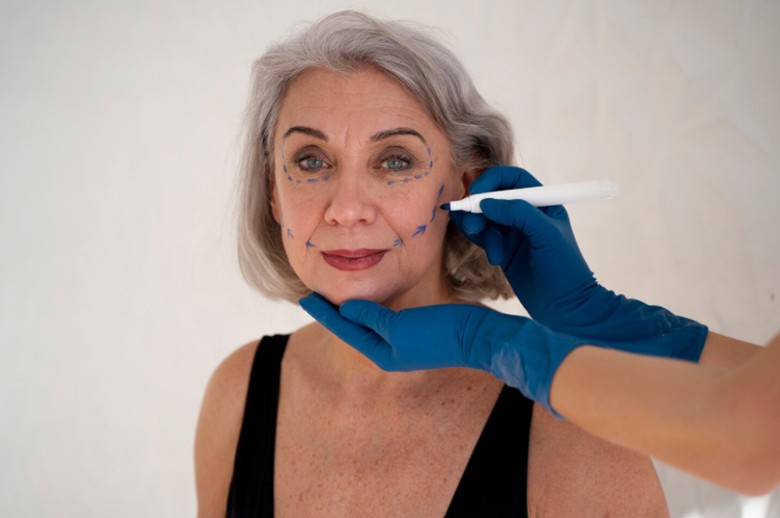
Deep Plane Facelift
Deep plane facelift longevity is one of the most common questions patients ask when considering this advanced facial rejuvenation procedure. After all, you are making a significant investment of time, money, and emotional energy. Knowing how long you can expect to enjoy your results helps you make an informed decision and plan for the future.
The good news is that this technique offers some of the longest lasting results available in facial surgery today. But longevity depends on multiple factors, and understanding them helps you maximise the return on your investment. Let us explore what determines how long your results will last and what you can do to extend them.
Why This Technique Produces Longer Lasting Results
The deep plane approach differs fundamentally from older facelift methods. Traditional techniques primarily tightened skin, which stretched again relatively quickly as aging continued. The results often lasted only three to five years before significant changes became noticeable.
This advanced technique works beneath the superficial layers to reposition the SMAS, the muscular layer that forms the foundation of facial structure. By lifting and securing these deeper tissues, the procedure addresses the actual cause of facial sagging rather than just its surface manifestation.
When surgeons release and reposition the deep facial structures, they create improvement that does not rely on skin tension. The skin simply drapes naturally over the restored foundation. This explains why results appear more natural and why they endure significantly longer than surface level approaches.
Understanding what makes this technique different helps explain its superior longevity. The structural restoration remains stable even as normal aging continues, giving patients years of benefit from a single procedure.
Realistic Timeline For Results
Most patients can expect their deep plane facelift longevity to span ten to fifteen years. Some patients report satisfaction with their results even longer, particularly when they maintain healthy lifestyle habits and follow proper skincare protocols.
This timeline represents a significant improvement over other options. SMAS facelifts typically last seven to ten years. Traditional skin only procedures may show noticeable regression within three to five years. Mini procedures designed for patients with minimal aging offer shorter duration appropriate to their less invasive nature.
It is important to understand what longevity actually means in this context. Your face will not suddenly revert to its pre surgery appearance after a decade.
Instead, aging continues from your rejuvenated starting point. A patient who has surgery at fifty five may find that at
sixty five they still look better than they did before the procedure, even though some natural aging has occurred.
The clock does not stop. It simply resets. You continue aging, but from a position that is years ahead of where you would have been without intervention.
Factors That Influence How Long Results Last
Several variables affect deep plane facelift longevity for individual patients. Understanding these helps you set realistic expectations and take actions that support lasting results.
Genetics play a significant role. Some people simply age more slowly than others due to inherited skin quality, facial bone structure, and collagen production patterns. If your parents aged gracefully, you may enjoy longer lasting results. Conversely, if premature aging runs in your family, you might see changes sooner.
Skin quality at the time of surgery matters considerably. Patients with thicker, more elastic skin often maintain results longer than those with thin, sun damaged skin. The skin must drape properly over the repositioned structures, and healthier skin does this better over time.
The extent of aging at the time of surgery influences outcomes. Patients who address moderate aging often achieve longer lasting improvement than those who wait until changes become severe. This does not mean rushing into surgery, but rather timing the procedure appropriately for your situation.
Surgical technique and surgeon expertise directly impact longevity. An experienced surgeon who properly releases and repositions the deep structures creates a more stable result than one who takes shortcuts. At practices like Mr. Ivo Gwanmesia’s Harley Street clinic, meticulous technique ensures the best possible foundation for lasting results.
Lifestyle Factors That Affect Longevity
Your daily choices significantly influence how long your results last. Some factors accelerate aging and undermine surgical outcomes, while others help preserve your rejuvenated appearance.
Sun exposure ranks as the single most damaging lifestyle factor for facial aging. Ultraviolet radiation breaks down collagen and elastin, causing premature sagging, wrinkles, and pigmentation changes. Diligent sun protection through daily sunscreen use, protective clothing, and shade seeking behaviour protects your investment.
Smoking devastates skin quality and accelerates aging dramatically. Nicotine restricts blood flow to the skin, impairing healing and reducing the delivery of nutrients essential for skin health. Former smokers who quit before surgery and remain smoke free afterward enjoy significantly better deep plane facelift longevity than those who continue smoking.
Weight fluctuations affect facial appearance over time. Significant weight gain can add volume that changes facial contours. Substantial weight loss may create new laxity as fat volume decreases. Maintaining a stable, healthy weight supports lasting results.
Sleep quality, stress management, and overall health contribute to skin aging. Chronic stress elevates cortisol levels, which breaks down collagen. Poor sleep impairs cellular repair processes. Prioritising wellness supports both your general health and your surgical outcome.
Maintenance Strategies To Extend Your Results
Proactive maintenance can meaningfully extend deep plane facelift longevity. Think of your surgery as the foundation and ongoing care as the preservation strategy that protects your investment.
A quality skincare routine supports skin health and appearance. Products containing retinoids stimulate collagen production and cellular turnover. Antioxidants like vitamin C protect against environmental damage. Hyaluronic acid and peptides support hydration and firmness. Your surgeon or a qualified aesthetician can recommend appropriate products for your skin type.
Professional treatments complement surgical results without requiring additional surgery. Many patients incorporate regular facials, chemical peels, or microneedling to maintain skin texture and radiance. These treatments support the health of your skin without affecting the deeper structural work.
Non surgical options like injectable treatments can address specific concerns as they develop. Small amounts of filler can restore volume in areas that naturally deflate with age. Neurotoxin treatments address dynamic wrinkles that form from muscle movement. These maintenance treatments are far simpler than revision surgery and can extend satisfaction with your results.
Following proper aftercare protocols during initial recovery also affects long term outcomes. Patients who follow instructions carefully, attend all follow up appointments, and allow adequate healing time establish the best possible foundation for lasting results.
Deep Plane Facelift Longevity
https://www.freepik.com/free-photo/woman-preparing-cosmetic-surgery_72404976.htm
When Might You Consider Additional Procedures
Even with excellent longevity, there may come a time when you desire further improvement. Understanding your options helps you plan appropriately.
Some patients choose to have a secondary procedure after ten to fifteen years. This revision surgery is typically less extensive than the original because the foundational work remains largely intact. The surgeon addresses new laxity that has developed rather than starting from scratch.
Others prefer to maintain their appearance through non surgical means indefinitely, accepting gradual changes as part of natural aging. There is no wrong answer. The choice depends on your personal goals, budget, and comfort with additional procedures.
Complementary surgical procedures can enhance or extend results. Eyelid surgery addresses aging around the eyes that a facelift does not fully correct. Brow lifts improve the upper face. Neck lifts specifically target the area below the chin. Some patients add these procedures at the time of their original surgery, while others address them separately as needed.
Setting Realistic Expectations
Understanding deep plane facelift longevity requires accepting certain realities. No surgical procedure stops aging entirely. Your face will continue changing over time, just more slowly and from a more youthful starting point.
The goal is not to look twenty five forever. It is to look like the best, most refreshed version of yourself at whatever age you happen to be. Patients with realistic expectations report the highest satisfaction with their results over time.
Viewing real transformations helps calibrate expectations. Before and after photos taken at various intervals post surgery show how results evolve. This visual understanding proves more valuable than any verbal description.
Your surgeon should discuss longevity honestly during your consultation. They can assess your individual factors and provide personalised guidance about what you might expect based on your age, skin quality, lifestyle, and goals.
Making Your Decision
The exceptional deep plane facelift longevity this technique offers makes it an attractive option for patients seeking lasting facial rejuvenation. Ten to fifteen years of improvement represents significant value, particularly when compared to the shorter duration of less comprehensive approaches or the ongoing costs of non surgical maintenance.
However, longevity is just one factor in your decision. The expertise of your surgeon, the naturalness of likely results, your recovery timeline, and your overall readiness for surgery all matter. Take time to research thoroughly, consult with qualified surgeons, and ensure you feel confident before proceeding.
When performed by an experienced surgeon and supported by appropriate lifestyle choices and maintenance, this procedure offers the longest lasting facial rejuvenation available. Understanding deep plane facelift longevity helps you appreciate the value of this investment in yourself.
Frequently Asked Questions (FAQs)
1. How Does Deep Plane Longevity Compare To Other Facelift Types?
Deep plane techniques typically last ten to fifteen years, significantly longer than traditional facelifts lasting three to five years or SMAS lifts lasting seven to ten years. This extended longevity results from repositioning deeper facial structures rather than relying on skin tension, which stretches more quickly over time.
2. Can I Do Anything To Make My Results Last Longer?
Yes, several factors are within your control. Consistent sun protection, not smoking, maintaining stable weight, following a quality skincare routine, and managing stress all support lasting results. Professional maintenance treatments like chemical peels or injectables can also extend satisfaction with your outcome.
3. Will I Need Another Facelift Eventually?
Not necessarily. Some patients choose revision surgery after ten to fifteen years, while others maintain their appearance through non surgical means or simply accept gradual aging. If you do opt for revision, it is typically less extensive than the original procedure since the foundational work remains intact.
4. At What Age Should I Have Surgery For Maximum Longevity?
Most patients achieve optimal results between their late forties and sixties. Having surgery when aging is moderate rather than severe often produces longer lasting improvement. However, individual factors like skin quality and genetics matter more than chronological age. Consult with a surgeon to determine ideal timing for your situation.
5. Does The Surgeon I Choose Affect How Long Results Last?
Absolutely. Surgeon expertise significantly impacts longevity. Proper release and repositioning of deep facial structures creates a more stable, longer lasting result than less meticulous technique. Choose a surgeon with extensive experience in this specific procedure and a track record of natural, enduring outcomes.


