How a PRP Facial Rejuvenates Ageing Skin With Your Own Platelets
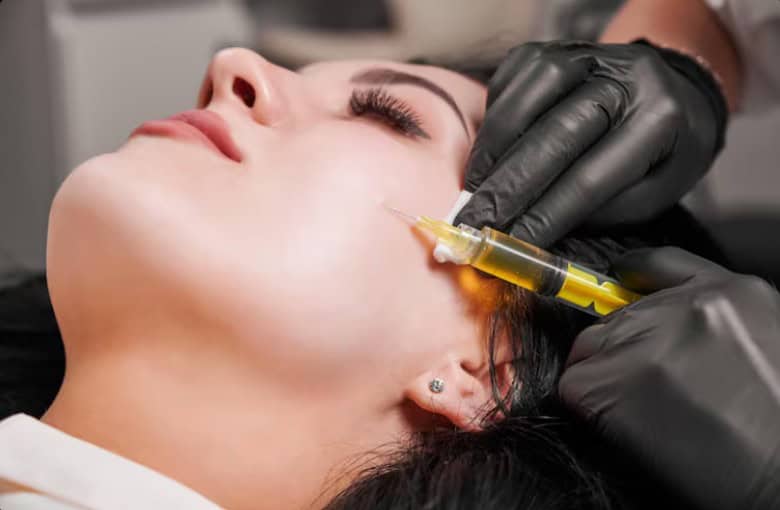
PRP Facial
A PRP facial harnesses the natural healing power of your own blood to refresh and rejuvenate ageing skin. It is one of the more elegant ideas in modern aesthetics, using nothing more than a concentrated form of your own platelets to encourage your skin to renew itself.
For anyone who feels uneasy about synthetic products but still wants to soften the signs of ageing, this approach offers a genuinely natural alternative.
As skin ages, it produces less collagen, loses firmness, and can look dull and tired. Rather than adding a foreign substance to mask these changes, this treatment works by prompting the skin to rebuild from within. Understanding the biology behind it helps explain why it has become such a popular choice.
The Science of Platelets and Growth Factors
Your blood is made up of red cells, white cells, plasma, and platelets. Platelets are best known for helping blood to clot, but they also carry a remarkable concentration of growth factors. These are the signalling proteins your body uses to repair tissue, build new blood vessels, and stimulate cells to regenerate.
A PRP facial concentrates these platelets into a small volume of plasma, creating a preparation far richer in growth factors than ordinary blood. When this is delivered into the skin, those growth factors act on the cells responsible for producing collagen and elastin, the fibres that keep skin firm and elastic.
In effect, a PRP facial sends a strong repair signal to the skin, encouraging it to behave more like younger, healthier skin. Because the plasma comes from your own body, there is no risk of rejection or an allergic reaction to a foreign material.
This is a big part of the appeal for people who are wary of synthetic products but still want to do something meaningful for their skin. The idea is not to overpower the skin with strong chemicals, but to give it the raw signals it needs to repair itself more effectively.
How It Targets the Signs of Ageing
Ageing skin shows several changes at once, and a PRP facial addresses them at the source rather than on the surface. As collagen production increases in response to the growth factors, the skin gradually becomes firmer and a little thicker, which helps soften fine lines and improve the overall texture.
Dullness often improves too. By stimulating cell renewal and better blood supply, the treatment can bring back some of the natural radiance that fades with age. Uneven tone and rough texture can also become smoother over a course of sessions.
It is important to be clear about scope. This is a treatment for skin quality, not a substitute for surgery. It will not lift heavily sagging skin or remove deep folds. Reviews of platelet-rich plasma for facial rejuvenation describe it as most useful for improving skin quality rather than reshaping the face.
What Happens in a Session
A PRP facial follows a straightforward sequence and is usually completed within an hour. It begins with a small blood draw from your arm, no different from a routine blood test.
That sample is placed in a centrifuge, which spins rapidly to separate the blood and concentrate the platelets in the plasma. While this is prepared, the skin is cleansed and, if needed, a numbing cream is applied for comfort.
The concentrated plasma is then delivered into the skin, either through fine injections or in combination with microneedling to help it penetrate. The approach is tailored to your skin and goals. Afterwards, mild redness is normal and usually settles within a day or two, and you can return to your routine quickly.
Results and How They Build Over Time
Patience is key with this treatment, because it works by stimulating your own biology rather than delivering an instant change. You will not walk out with dramatically different skin. Instead, the improvement develops gradually over weeks as new collagen forms.
Many people first notice a fresher, more hydrated look within the first couple of weeks, followed by gradual improvements in firmness and texture over the following months as collagen continues to build.
The changes tend to be understated rather than obvious, which is exactly what many people want from a natural treatment. Because a single session provides one wave of growth factors, a course of treatments spaced a few weeks apart usually gives the best result, with maintenance sessions to keep it going.
Evidence supports realistic optimism. A meta-analysis of platelet-rich plasma for skin aging found it significantly improved patient satisfaction, while broader reviews describe encouraging but variable outcomes overall. Results differ from person to person.
PRP Compared With Other Anti-Ageing Options
It helps to see how a PRP facial fits alongside other options, because they do different jobs. Dermal fillers add volume and can smooth deep folds instantly, but they introduce a gel product and give a different kind of result. Anti-wrinkle injections relax specific muscles to soften expression lines.
This treatment does something distinct. Rather than filling or freezing, it improves the underlying quality and health of the skin itself. For that reason, it often works well alongside other treatments rather than replacing them.
Many people combine approaches for a fuller result, and understanding your options and choosing the best approach helps you see where each one fits.
For those exploring gentler routes overall, reading about a lifted look without surgery puts these choices in context. The same treatment is sometimes known by its more dramatic nickname, explained in a vampire facelift guide.
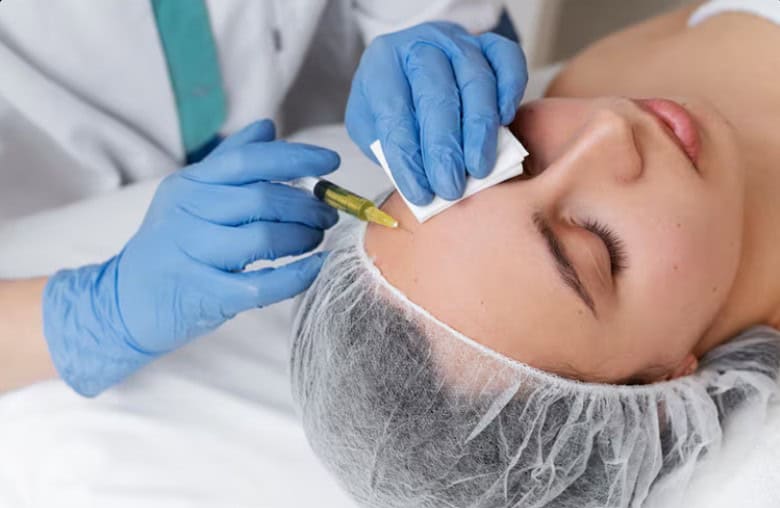
PRP Facial
Who Gets the Most From It
The best candidates are people with early to moderate signs of ageing who want to improve skin quality naturally. If your main concerns are dullness, fine lines, uneven texture, or a general loss of freshness, this treatment is well suited to you.
People hoping to correct significant sagging or deep folds are usually better served by surgical or volumising options, and an honest practitioner will say so. Those in good general health, with realistic expectations and a willingness to complete a short course, tend to be the happiest with their results.
A proper consultation is the best way to find out if it suits you. Mr Ivo Gwanmesia assesses your skin, discusses your goals, and advises whether this approach alone will meet them or whether combining treatments would serve you better.
Preparing for Your PRP Facial
A little preparation helps you get the most from each session. In the days beforehand, it is wise to stay well hydrated and to avoid anything that thins the blood, such as aspirin, ibuprofen, or fish oil supplements, unless a doctor has advised you to keep taking them. This helps limit any bruising at the injection sites.
It is also sensible to avoid alcohol for a day or two before your appointment and to arrive with clean, makeup-free skin. If you are prone to cold sores, mention this in advance, since treatment around the mouth can occasionally trigger an outbreak that preventive medication can control.
Good aftercare matters just as much. Keeping the skin clean, well moisturised, and protected from the sun supports the result, and avoiding heavy make-up and vigorous exercise for the first day gives the freshly treated skin time to settle. Simple, consistent habits like these help a PRP facial deliver its best.
Realistic Expectations and Evidence
Setting expectations correctly is the key to satisfaction. A PRP facial is a treatment for gradual, natural improvement in skin quality, not an overnight transformation. The changes are real but subtle, and they build with time and maintenance.
The evidence base is growing and generally encouraging, though results vary and the science continues to develop. Approached with realistic goals and delivered by an experienced professional, a PRP facial offers a natural, low-risk way to refresh ageing skin using nothing but your own platelets.
Frequently Asked Questions (FAQs)
1. Is the Treatment Painful?
Most people find it comfortable. The blood draw feels like a normal blood test, and a numbing cream is applied before the plasma is delivered. Any discomfort is mild and brief, with only short-lived redness afterwards.
2. When Will I See Results?
Because the treatment stimulates your own collagen, results build gradually over several weeks. Many people first notice fresher, more hydrated skin, followed by improvements in firmness and texture over the following months as new collagen forms.
3. How Many Sessions Do I Need?
A single session gives one wave of growth factors, so a course spaced a few weeks apart usually gives the best outcome. Maintenance sessions afterwards help preserve the improvement. Your practitioner will suggest a plan for your skin.
4. Is It Safe?
Because the plasma comes from your own blood, the risk of an allergic reaction is very low, which is a key reason the treatment is considered safe when performed by a trained professional. Temporary redness and mild swelling are the main effects.
5. How Is It Different From Fillers?
Fillers add volume and smooth deep folds instantly using a gel product. This treatment instead improves the underlying quality and health of your own skin by stimulating collagen. They do different jobs and are often used together rather than as alternatives.


