What Is a Vampire Facial and Why the Trend Keeps Growing
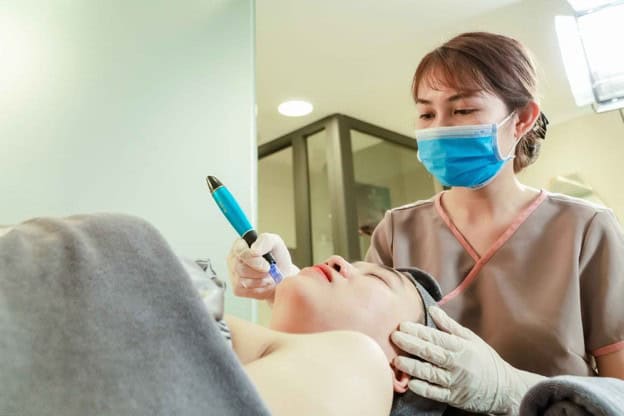
Vampire Facial
A vampire facial is a skin treatment that uses your own blood to refresh and rejuvenate your complexion, and it has become one of the most talked-about procedures in aesthetics. Despite the dramatic name, there is nothing frightening about it.
The treatment simply combines microneedling with platelet-rich plasma drawn from your own body to encourage fresher, healthier-looking skin.
Its popularity keeps climbing, fuelled by social media, celebrity endorsements, and a growing preference for treatments that work with the body rather than relying on synthetic products. If you have seen the striking images and wondered what actually happens and whether it lives up to the hype, here is a clear, honest look at the treatment.
Where the Name Comes From
The unusual name comes entirely from the use of blood, not from anything sinister. During the treatment, a small sample of your blood is drawn and processed, and the plasma is then applied to your face. The sight of the blood-derived plasma on the skin during the procedure is where the vampire nickname was born.
Formally, the treatment is a form of platelet-rich plasma therapy combined with microneedling. The catchy name helped it capture public attention, but the science behind it is far more grounded than the branding suggests.
How the Treatment Works
The process has three simple stages. First, a small amount of blood is taken from your arm, much like a routine blood test. That sample is placed in a centrifuge, a machine that spins quickly to separate the blood and concentrate the platelets in the plasma.
Platelets are rich in growth factors, the proteins your body uses to repair tissue and stimulate new cell activity. Once the plasma is ready, the practitioner performs microneedling across the face. This uses very fine needles to create tiny controlled channels in the skin, which switch on the body’s natural healing response.
The platelet-rich plasma is then applied to the freshly needled skin, where the micro-channels help the growth factors reach the deeper layers.
Together, the two steps aim to boost collagen, improve texture, and give the skin a brighter, more even appearance. Studies looking at combined aesthetic rejuvenation using this pairing report improvements in the treated areas for many people.
Why the Trend Keeps Growing
Several things explain why demand continues to rise. The most powerful driver is the appeal of a natural approach. Because the plasma comes from your own body, there is no synthetic filler or foreign substance involved, which reassures people who want a gentler option.
Social media has amplified everything. The memorable name and the dramatic during-treatment photos are highly shareable, and celebrity fans have brought the treatment into the mainstream conversation. When public figures speak about it openly, curiosity spreads quickly.
There is also a wider shift in how people view aesthetic treatments. Small, regular tweaks aimed at looking refreshed rather than dramatically altered have become normal and openly discussed. A treatment that uses the body’s own resources fits this mood perfectly, appealing to people who want a subtle, natural edge rather than an obvious change.
Practicality matters too. A vampire facial is quick, usually taking under an hour, and downtime is short. Most people can return to their day within a day or two, with only mild redness to manage.
For those who want visible skin improvement without surgery or a long recovery, that convenience is a big part of the draw. Interest in gentler ways to refresh the face without surgery has helped treatments like this flourish.
What It Can and Cannot Do
Being realistic about results is important. At its best, a vampire facial can improve skin texture and tone, soften fine lines, reduce the look of pores, and help with certain types of acne scarring. It can also give a general boost of radiance that many people notice in the weeks after a session. Many people describe their skin as looking fresher, smoother, and more radiant after a course of sessions.
What it cannot do is act like a facelift. It does not lift sagging skin, remove deep folds, or replace lost volume. For those concerns, surgical or injectable treatments are needed, and comparing your options, including guides on choosing the best approach, helps set the right expectations.
It also is not a one-off miracle. Results build gradually as collagen develops, and a course of sessions with occasional maintenance usually gives the best outcome. A detailed complete guide to the treatment can help you picture the likely journey.
The Session and Aftercare Experience
Knowing what to expect makes the treatment far less daunting. After the blood draw, a numbing cream is usually applied so the microneedling feels comfortable.
The needling itself feels like light scratching for most people, and the whole appointment is generally quick. Because your own plasma is prepared while you wait, the active ingredient is made fresh for you on the day, with nothing stored or synthetic involved.
Afterwards, your skin will look flushed, similar to mild sunburn, and may feel slightly warm or tight. This settles over the following day or two. You will be advised to avoid makeup, heavy sweating, and direct sun for a short period, and to keep the skin clean and well moisturised.
Sun protection is especially important while the skin recovers, as fresh skin is more sensitive to ultraviolet light. Following the simple aftercare advice closely helps you get the most from each session.
Safety and Realistic Results
Because the plasma is your own, the risk of an allergic reaction is very low, which is one reason a vampire facial is considered safe when performed by a trained professional. The main short-term effects are redness, mild swelling, and occasional pinpoint bruising, all of which fade quickly.
It is worth knowing that the evidence is still developing. Some studies of facial skin rejuvenation with platelet-rich plasma report clear benefits, while others show more modest results, so outcomes can vary from person to person. Broader reviews of skin rejuvenation with platelet-rich plasma suggest it is generally safe with encouraging but variable results.
Choosing an experienced, qualified practitioner matters enormously, both for safety and for a good outcome. Mr Ivo Gwanmesia assesses each person individually to decide whether the treatment suits their skin and goals.
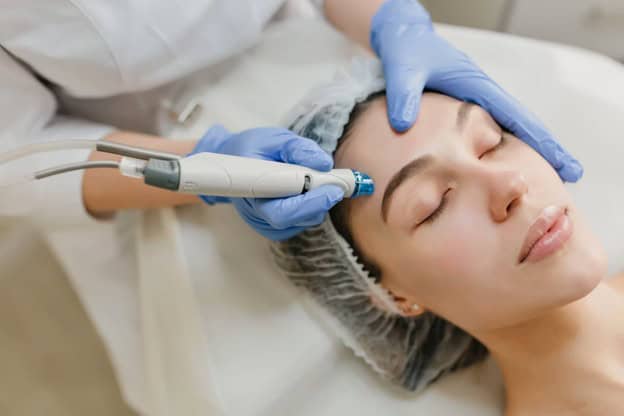
Microneedling
How It Differs From a Standard Facial
It is easy to assume this is just a fancy spa facial, but the two are very different. A standard facial cleanses, exfoliates, and hydrates the surface of the skin, giving an immediate glow that tends to fade within a few days. It works mainly on the outer layer and involves no needling.
A vampire facial works far deeper. By combining microneedling with your own platelet-rich plasma, it triggers a genuine repair response in the living layers of the skin, prompting new collagen over the following weeks. The glow from a spa facial is short-lived, while the aim here is a gradual, lasting improvement in the quality of the skin itself.
This is also why a vampire facial involves a little downtime while a spa facial does not. The mild redness afterwards is a sign that the deeper treatment has done its work, setting the skin’s own renewal in motion.
Is It Worth the Hype
For the right person with realistic expectations, a vampire facial can be a genuinely worthwhile way to freshen tired skin without surgery. It will not transform a face or reverse significant ageing, but it can improve texture, tone, and radiance in a natural way with minimal downtime.
If your goals are gentle rejuvenation and healthier-looking skin rather than dramatic change, a vampire facial may well be worth exploring with a trusted professional who can advise honestly on what it can achieve for you.
Frequently Asked Questions (FAQs)
1. Does the Treatment Hurt?
Most people find it very tolerable. A numbing cream is applied before the microneedling, so the sensation is usually mild, like light scratching. The blood draw feels like a normal blood test. Any discomfort is brief and settles quickly afterwards.
2. How Many Sessions Will I Need?
Results build gradually, so a course of sessions spaced a few weeks apart usually gives the best outcome, followed by occasional maintenance. Your practitioner will suggest a plan based on your skin and the concerns you want to address.
3. How Long Is the Downtime?
Downtime is short. Your skin will look flushed for a day or two and may feel slightly tight. Most people return to normal activities quickly, avoiding makeup, heavy sweating, and direct sun for a short period while the skin settles.
4. Is It Safe?
Because the plasma comes from your own blood, the risk of allergic reaction is very low, and the treatment is considered safe when carried out by a trained professional. The main effects are temporary redness, mild swelling, and occasional small bruises.
5. What Skin Concerns Does It Help?
It can improve skin texture and tone, soften fine lines, reduce the appearance of pores, and help certain acne scars. It does not lift sagging skin or replace lost volume, so it works best for surface concerns rather than deeper structural ageing.


