Everything to Know Before Choosing Brow Lift Surgery
Brow lift
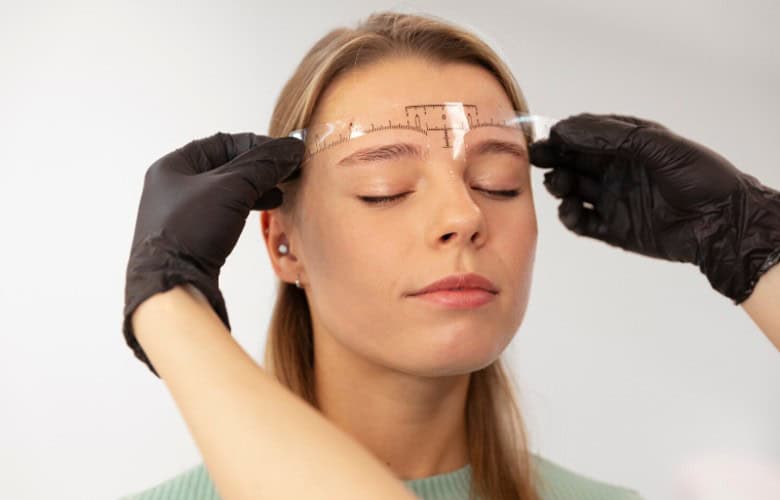
A brow lift raises drooping eyebrows and smooths the lines across the forehead, helping the upper face look fresher and more awake.
If you have noticed that your brows sit lower than they used to, or that you look tired or cross even when you feel fine, this may be the reason. As the years pass, the tissues that hold the brows in place weaken and the eyebrows gradually slide downward, changing the whole expression of the face.
Deciding to have surgery is a big step, and it helps to understand exactly what the procedure involves before you commit. This guide walks through what the treatment does, the techniques available, what recovery is like, and how to work out whether it is the right choice for you.
What a Brow Lift Actually Does
The main purpose of a brow lift is to reposition the eyebrows to a more youthful height and to soften the creases that form across the forehead. When the brows descend, they can create a heavy, hooded look over the eyes and make the forehead appear permanently lined.
By lifting and resetting the underlying tissues, a brow lift opens up the eye area, lifts the tail of the brow, and relaxes the deep frown lines between the eyebrows. The result is a more rested, approachable expression. It does not change who you are. Done well, it simply makes you look like a brighter version of yourself.
It is worth knowing that this treatment focuses on the upper third of the face. It does not address the cheeks, jawline, or neck. For those areas, other procedures are needed, which is why many surgeons see the upper face as one part of a bigger picture when it comes to forehead rejuvenation and overall facial balance.
Signs You Might Benefit
Not everyone with forehead lines needs surgery, so it helps to recognise the signs that point towards it. The most common is a genuine drooping of the brows, where the eyebrows sit low and press down on the upper eyelids.
Many people find they are unconsciously raising their eyebrows all day just to keep their vision clear, which deepens forehead lines over time. Others notice that makeup no longer sits well on hooded lids, or that they look angry or sad in photographs despite feeling perfectly happy.
Deep vertical frown lines between the brows and stubborn horizontal forehead creases are also strong indicators. If these concerns are mainly in the upper face, a lift of the brow region often delivers the most natural improvement. Working out whether facial surgery is right for you can also help you judge whether upper-face surgery alone will meet your goals.
The Different Techniques
There is no single way to perform the procedure, and the right approach depends on your anatomy, the height of your hairline, and how much lift you need.
The endoscopic method is the most popular modern technique. The surgeon makes several small incisions hidden in the hairline and uses a tiny camera to guide the work beneath the skin. Because the cuts are small, scarring is minimal and recovery tends to be quicker. This approach suits many people seeking minimally invasive rejuvenation of the upper face.
A temporal or lateral lift targets mainly the outer part of the brow through small incisions near the temples. It is a good option for people whose main concern is a drooping brow tail rather than the whole forehead.
The coronal technique uses a longer incision running across the top of the head from ear to ear. It gives the surgeon broad access but involves more healing and a longer scar, so it is used less often today.
Research comparing methods, including a review of comparative outcomes, suggests smaller endoscopic approaches can achieve good results with fewer complications for suitable patients.
Surgical Versus Non-Surgical Choices
Surgery is not the only route, and being honest about the alternatives helps you make a confident decision.
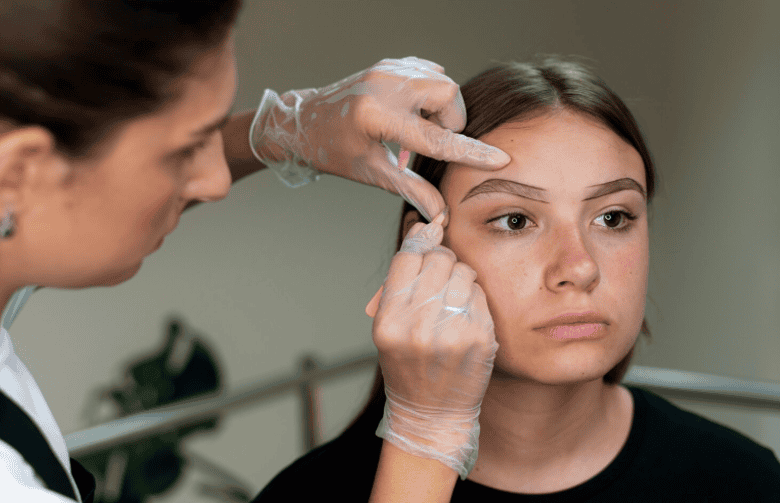
For mild brow heaviness, non-surgical options can create a subtle lift. Anti-wrinkle injections can relax the muscles that pull the brow down, allowing it to sit slightly higher. Dermal fillers can restore lost volume around the temples and brow.
These treatments are quick, involve no downtime, and are a sensible starting point for early changes. Reading about a non-surgical facelift can help you understand what these gentler methods can and cannot do.
The trade-off is that non-surgical results are temporary and need topping up, and they cannot correct significant drooping. When the brow has descended more noticeably, surgery gives a stronger, longer-lasting result. Comparing surgery with injectables, as covered in guides on botox and fillers, makes the difference clearer.
What the Procedure Involves
A brow lift is usually carried out under general anaesthesia or sedation with local anaesthetic, so you feel no pain. Depending on the technique, it typically takes between one and two hours.
Once you are comfortable, the surgeon makes the chosen incisions, releases and repositions the tissues that support the brow, and secures them in their new, higher position. Fine sutures or small fixings hold everything in place while it heals.
Because the incisions are usually tucked into the hairline, any scarring is well concealed within the hair. The amount of lift is carefully judged so the result looks natural and never surprised or overdone, which is one of the marks of a well-planned brow lift.
Many people choose to combine a brow lift with eyelid surgery, since drooping brows and heavy upper lids often occur together. Addressing both at once can give a more balanced and refreshed result around the eyes.
Recovery at a Glance
Recovery from a brow lift is generally manageable, particularly with the smaller-incision techniques. In the first few days you can expect some swelling and mild bruising around the forehead and eyes, and your vision may feel a little blurry for a short time.
Keeping your head elevated and using cold compresses helps the swelling settle. Most people feel ready to return to work within one to two weeks, by which point the obvious signs have faded. Any stitches or fixings are usually removed within seven to ten days.
Strenuous exercise and heavy lifting should be avoided for a couple of weeks. The final result becomes clear over the following weeks and months as everything settles. The improvement is long-lasting, and researchers continue to study the long-term stability of these lifts, which hold their position well for many people.
Non-Surgical Brow Lift
Risks to Be Aware Of
Every operation carries some risk, and a brow lift is no exception, though serious problems are uncommon in experienced hands. Temporary numbness or altered sensation across the forehead and scalp is the most common effect, and it usually settles over weeks to months as the nerves recover.
Some swelling, bruising, and mild tightness are normal in the early days. Less commonly, there can be minor asymmetry between the two sides, small changes to the position of the hairline, or slower healing, which is more likely in people who smoke. Because the incisions sit within the hairline, a little temporary hair thinning around them can occur before it recovers.
Understanding these possibilities is part of making an informed choice rather than a reason to be alarmed. During your consultation, the risks of a brow lift will be explained honestly, along with the careful steps taken to keep them to a minimum.
Weighing Up the Decision
Choosing to go ahead is personal, and a few things are worth thinking through before you do. Realistic expectations matter most. The procedure refreshes and opens up the upper face, but it will not stop the ageing process or turn back the clock entirely.
Good general health improves both safety and healing. Being a non-smoker, or stopping well before surgery, greatly reduces the risk of complications. Your skin quality and the position of your hairline also influence which technique will suit you best.
Above all, the surgeon you choose makes an enormous difference. Look for someone with specific experience in upper-face surgery, ask to see before and after photographs, and make sure you feel listened to.
At his Harley Street clinic, Mr Ivo Gwanmesia assesses each face individually before recommending an approach. Taking the time to research thoroughly and choose carefully is the surest way to feel happy with your brow lift for years to come.
Frequently Asked Questions (FAQs)
1. How Long Do the Results Last?
Results are long-lasting and often endure for many years, though the face continues to age naturally over time. Protecting your skin from the sun, not smoking, and maintaining a stable weight all help preserve the improvement. Some people add non-surgical top-ups later to extend their result.
2. Will I Have Visible Scars?
Scarring is usually minimal because the incisions are hidden within the hairline. With endoscopic techniques the cuts are very small and difficult to see once healed. Older methods with longer incisions leave more noticeable scars, which is one reason they are used less often now.
3. Is the Procedure Painful?
You will feel no pain during surgery because anaesthesia is used. Afterwards, most people describe tightness, mild discomfort, and swelling rather than significant pain. Prescribed medication and cold compresses manage this easily during the first few days.
4. Can It Be Combined With Eyelid Surgery?
Yes, and it often is. Drooping brows and heavy upper eyelids frequently occur together, so addressing both at the same time can create a more balanced, refreshed appearance around the eyes and mean only one recovery period.
5. Am I Too Old or Too Young for It?
Age alone does not decide suitability. What matters is the degree of brow descent, your skin quality, and your general health. Younger people with early heaviness and older people in good health can both be good candidates, which a consultation will confirm.


