Hair Transplant Explained: What to Expect Before, During, and After Your Procedure
Hair transplant
A hair transplant is one of the most reliable ways to restore hair to areas of the scalp that have thinned or gone bald. For many people, losing their hair feels like losing a part of themselves, affecting confidence at work and in social life.
While serums, sprays, and over-the-counter products can help slow things down, they rarely bring back what has already been lost. Surgery offers a permanent solution, and understanding how it works helps you decide whether it is right for you.
The idea behind a hair transplant is simple. Healthy hair follicles are moved from an area where hair still grows well to areas where it has thinned or disappeared. Because those follicles are naturally resistant to the hormone that causes pattern hair loss, they keep growing in their new home. The result, when done well, looks completely natural and lasts for years.
What a Hair Transplant Is and How It Works
Hair loss usually follows a pattern. In most people, the hair at the back and sides of the head is far more stable than the hair at the crown or hairline. This stable hair is the key to the whole procedure.
During surgery, follicles are taken from this stable donor region and carefully placed into the thinning or bald areas, known as the recipient site. The transplanted follicles carry their own resistance to hair loss with them. This is why they continue to grow long after the surgery, giving a natural and long-lasting result.
The procedure can restore a receding hairline, fill in a thinning crown, and add density where hair has become sparse. It is not only for the scalp either. The same techniques are used to restore thin or patchy eyebrows, which can make a noticeable difference to the whole face.
Understanding the Techniques: FUE and FUT
There are two main methods, and the right one depends on your goals, the extent of your hair loss, and your surgeon’s advice.
Follicular unit extraction, or FUE, is the more popular of the two. The surgeon removes individual follicles one by one from the donor area through tiny round incisions.
Because there is no long cut, healing is quicker and the scarring is minimal and scattered, making it easy to hide. FUE suits people who prefer a less invasive approach and want to keep their hair short. The trade-off is that a larger donor area is often needed.
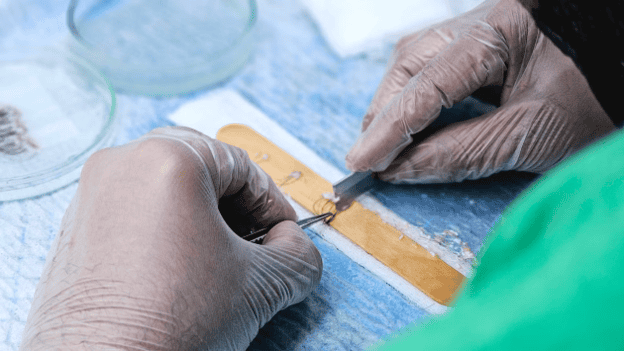
Follicular unit transplantation, or FUT, is sometimes called the strip method. Here a thin strip of skin is removed from the donor area and divided into individual grafts under magnification. This can be efficient for people who need a large number of grafts.
The downside is a single linear scar where the strip was taken, though this can usually be hidden by surrounding hair. Reading about the path to fuller hair can help you picture how each method fits into the wider journey.
The choice of hair transplant technique does not change how long your results last. It mainly affects the recovery period and the type of scarring left in the donor area.
Are You a Suitable Candidate
Good candidates have areas of healthy, thick hair that can be used as donor sites. Since grafts are lifted directly from these areas, the quality and density of your donor hair matters a great deal.
A hair transplant suits anyone who has experienced pattern hair loss, a receding hairline, bald patches, or general thinning, and it remains a mainstay of hair restoration.
It works for both men and women, although female hair loss tends to be more diffuse across the scalp, so a proper assessment of the donor area is essential. People with very widespread loss or too little donor hair may be better suited to non-surgical therapies instead.
Realistic expectations are important. The goal is a fuller, natural-looking head of hair, not a return to a teenage hairline. An honest surgeon will tell you what is achievable for your particular situation.
It is also worth knowing that hair loss can continue in areas that were not treated. Some people plan for the possibility of a second session later, or use maintenance medication to protect their remaining natural hair.
Before Your Procedure
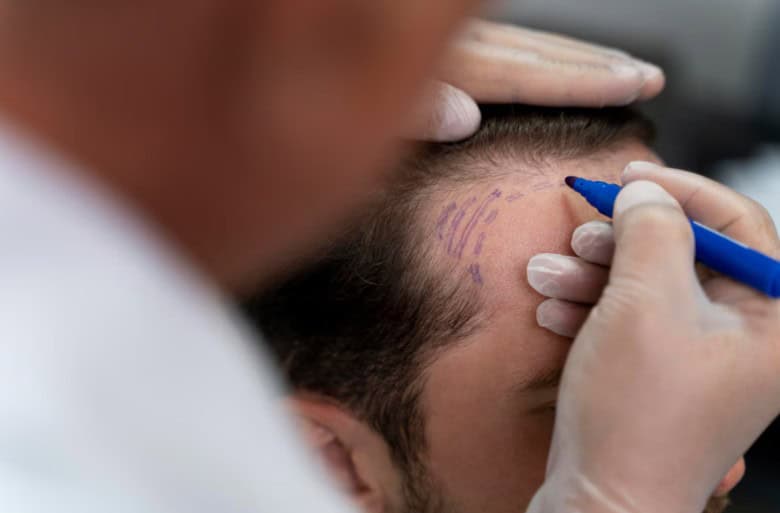
Everything starts with a consultation. This is where the surgeon assesses the extent of your hair loss, examines the health and density of your donor area, and reviews your medical history and lifestyle.
It is also the moment to discuss which technique suits you and to set realistic goals for the outcome. Understanding results and longevity before you commit helps you plan sensibly.
Once you decide to proceed, you will be given preparation instructions. These usually include avoiding blood-thinning medications and supplements for a period beforehand, stopping smoking to support healing, and avoiding alcohol close to the date. You may be advised on how to wash and prepare your scalp on the day.
It is also sensible to plan the practical side. Arrange time away from work, since the scalp will need a few days to settle, and organise a lift home, especially if you are having sedation.
During Your Procedure
The surgery is carried out under local anaesthesia, sometimes with sedation to keep you relaxed. General anaesthesia is rarely needed, which makes the whole experience gentler than many people expect. Most patients find the hair transplant comfortable and are awake throughout.
Depending on how many grafts are being moved, a hair transplant can take several hours. The surgeon first harvests the follicles from the donor area using the chosen technique.
Each graft is then prepared and placed into tiny incisions in the recipient area, following the natural angle and direction of your existing hair. This attention to detail is what makes the result look natural rather than obvious.
Because it is done under local anaesthetic, you can usually go home the same day once the surgeon is happy. Dressings may be applied to the treated areas and should stay in place for the first few days.
Hair transplant
https://www.pexels.com/photo/hands-of-a-craftsperson-working-on-a-craft-project-27138344/
After Your Procedure: Recovery and Results
The first phase of recovery is about protecting the delicate new grafts. There will be some swelling and tenderness in the scalp, particularly around the forehead and eyes. Cold compresses used in the first couple of days help reduce this, and sleeping semi-upright keeps pressure off the grafts and limits swelling.
Gentle scalp care is vital in the early days, and your surgeon will explain exactly how to wash and handle the area. Following the essential steps of aftercare closely gives your grafts the best chance of thriving. Most people return to work within a few days to a week, depending on the physical demands of their job.
One part of recovery surprises many people. The transplanted hairs often shed within the first few weeks. This is completely normal and temporary. The follicles remain in place and simply reset before producing new hair.
New growth typically begins around three to four months after surgery, with the hair thickening steadily from there. Full results usually take twelve to eighteen months to appear, as the new hair needs time to grow and blend with the surrounding hair.
The results are designed to be long-lasting. On average, people can expect their result to last around a decade, and often far longer with good care. Because hair loss can continue elsewhere, surgeons often prescribe medication such as a hormone blocker after the hair transplant to protect the rest of your hair and preserve density over the long term.
Choosing an Experienced Surgeon
The skill of your surgeon has a huge influence on the final look. Placing grafts at the correct angle, spacing, and density is what separates a natural result from an artificial one.
Look for a surgeon who is experienced in facial and scalp work and who can show you before and after photographs of previous patients. Mr Ivo Gwanmesia, a craniofacial plastic surgeon based on Harley Street, combines technical precision with an artistic eye, which matters greatly when designing a hairline that suits your face.
Take your time during the consultation. Ask how many procedures the surgeon performs, which technique they recommend for you and why, and what aftercare support is provided. You should feel informed and comfortable, not rushed. Comparing options such as cost differences, including guides on UK vs Turkey pricing, can also help you make a confident decision.
When performed by an experienced specialist and supported by careful aftercare, a hair transplant offers a permanent, natural-looking way to restore both your hair and your confidence.
Frequently Asked Questions (FAQs)
1. Is the Procedure Painful?
The surgery is carried out under local anaesthesia, so you should not feel pain during it. Most people describe it as comfortable. Afterwards there may be some tenderness and swelling in the scalp, which settles within a few days and can be managed with simple pain relief.
2. How Long Until I See Results?
The transplanted hairs usually shed within the first few weeks, which is normal. New growth begins around three to four months later, and full results typically appear within twelve to eighteen months as the hair grows and blends in.
3. Will the Results Last Forever?
The transplanted follicles are resistant to the hormone that causes pattern hair loss, so they are permanent. However, natural hair elsewhere can continue to thin, so some people need maintenance medication or a further session later to keep the overall look full.
4. What Is the Difference Between FUE and FUT?
FUE removes individual follicles through tiny incisions, leaving minimal scattered scarring and allowing quicker recovery. FUT removes a strip of skin, which can be efficient for larger cases but leaves a single linear scar. Your surgeon will advise which suits you best.
5. Can Women Have the Procedure Too?
Yes. Women experiencing thinning, receding hairlines, or reduced density can be good candidates. Because female hair loss is often more diffuse, a careful assessment of the donor area is needed to confirm suitability and plan the best approach.


